

Cover: an AI-generated editorial illustration; confirm actual product and material options with RENOJU.
A useful wholesale quotation starts before the price discussion. A photograph can communicate a style, but it does not define the exact chair, table, finish or packing arrangement you intend to purchase. For furniture importers, distributors and project buyers, the first task is to turn a visual shortlist into a specification that both sides can review.
This checklist helps you prepare that brief for RENOJU’s chair collection and dining table collection. Treat any unconfirmed detail as a question to resolve, rather than an assumption to carry into the order.
Start with one reference sheet: list the model reference, intended use, dimensions, finish, quantity by variation, destination and required delivery window. Attach images, but keep the written specification as the main point of agreement.
1. Define the use and the product mix
Explain where the furniture will be sold or installed: a retail assortment, a residential dining project or another intended setting. Share the target customer, preferred design direction and any project-specific requirements. An attractive dining-room image should not be treated as confirmation that a model is suitable for every commercial setting.
Separate the total order into model and finish combinations. For example, “two chair models in three colors” is still incomplete until the quantity for each combination is clear. Ask the factory to confirm minimum quantities and whether the proposed mix is feasible; do not assume that one minimum applies to every model or finish.
2. Check the dimensions of the set, not only each piece
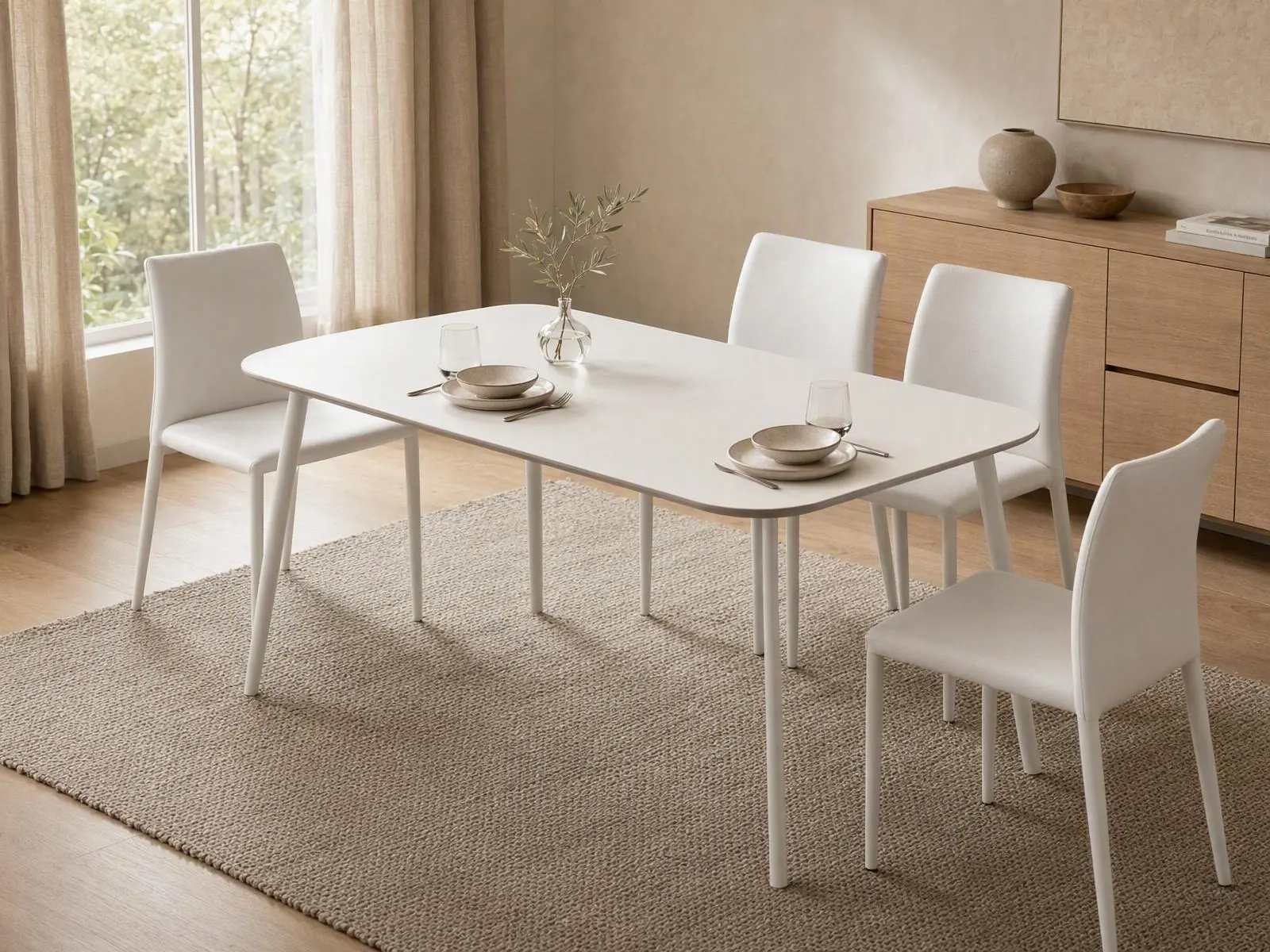
Request the chair’s overall width, depth and height, seat height and any arm or side-bolster dimensions that affect clearance. For the table, confirm length, width, overall height and the space available beneath the top and between the legs. Record the measurement units and the agreed drawing revision.
Then review the proposed table-and-chair combination together. Can the chairs be tucked in as intended? Does the leg position interfere with the selected seating arrangement? If the furniture is being specified for a room layout, include the layout and the desired number of places in the brief. Confirm the final fit with drawings and, where needed, a physical sample.
3. Turn color and material preferences into references
Words such as “beige,” “white” and “metal frame” leave room for different interpretations. Ask for the available upholstery and frame-finish references for each selected model. For tables, confirm the top’s material description, finish, edge treatment and thickness instead of inferring the construction from a photograph.
Where color matching matters, review physical samples under agreed lighting and keep the approved sample code on the specification. Ask which care instructions and supporting material information apply to the exact selection. A finish shown on one model does not automatically establish that it can be supplied on another.
4. Include packing in the buying decision
Ask whether each item is supplied assembled or requires assembly, how many units are packed per carton, and which components and hardware are included. Request the proposed carton dimensions, gross and net weights, and any pallet arrangement relevant to your shipment. Confirm whether quoted packing data is estimated or has been checked on the final configuration.
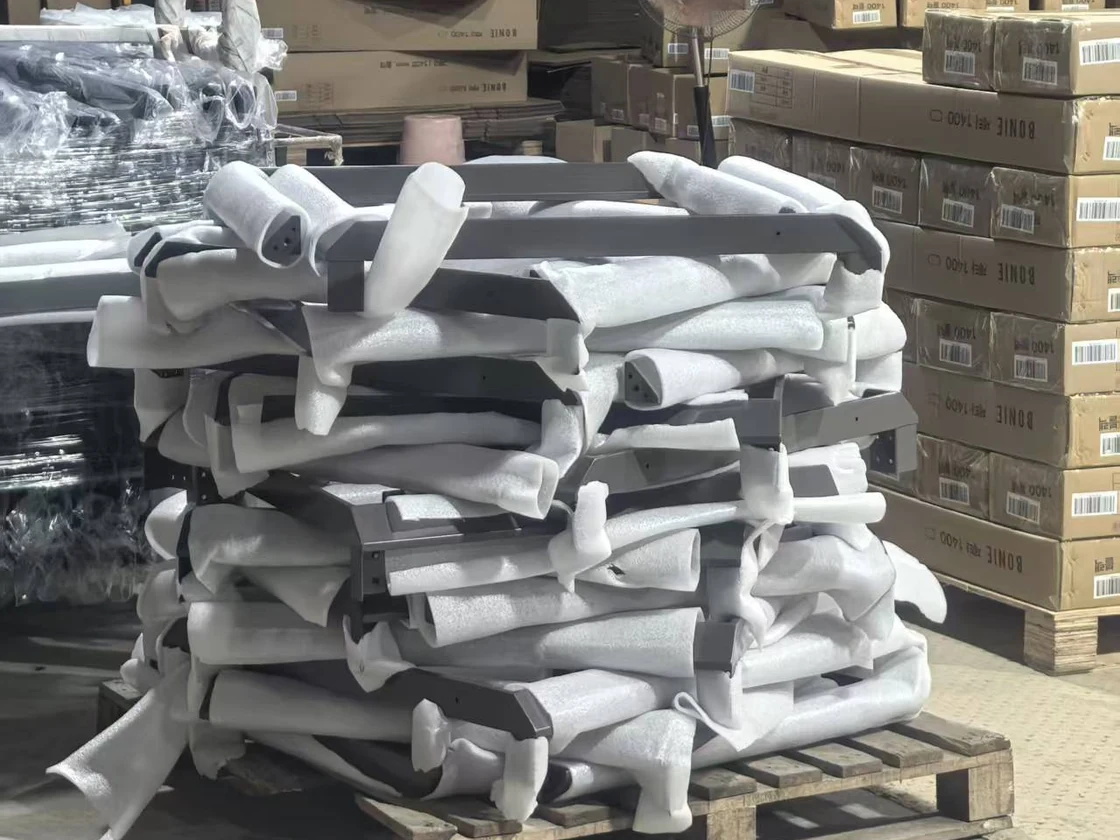
Review corner and surface protection, hardware separation, labels and assembly instructions where applicable. The packing needed for one handling route may differ from another, so describe your receiving and onward-distribution process. Agree any requested packing evaluation in writing; visible wrapping alone does not establish a particular transport-test result.
5. Compare quotations on the same basis
Before comparing totals, make sure the quotations cover the same model revision, materials, colors, quantities, packing and delivery basis. Clarify which charges are included and which need a separate quotation, such as sample preparation or requested modifications. Ask how the quoted schedule depends on sample approval, material confirmation and the final order details.
Do not treat a general lead-time estimate as a confirmed delivery commitment. Record the milestones that matter to your project and ask for the schedule to be reconfirmed once the specification and quantity are settled.
A quotation brief you can copy
- Products: model references and reference images.
- Configuration: dimensions, material references, colors and quantity per variation.
- Use: intended setting and any required supporting documents or evaluations.
- Packing: assembly preference, carton requirements, labels and receiving arrangements.
- Delivery: destination, requested schedule and quotation delivery basis.
- Open questions: minimum quantities, sample availability and any unconfirmed details.
Ready to build your shortlist?
Send the model references you are considering, the quantity breakdown and your destination. RENOJU can review the request and clarify model-specific options before preparing the next step.